
If you’ve been engaging with the media since the beginning of the year, you might have noticed ongoing discussions about the effect animal agriculture has had (and is having) on the environment and how plant-based meat replacements are rapidly growing in popularity. I don’t know much about meat replacements, but I will confess that I am making the transition to a more plant based diet.
Let me state clearly that I am not against eating meat. I love a good steak, but I do recognize that red meat is acid forming in the body and may not be the best thing to consume to keep the body in optimal health.
Realistically (for me), this has meant that the transition to a plant-based diet means I have had to rely on fish (essentially being a pescatarian), as I build my knowledge on how to create and maintain a balanced vegetarian diet for myself. 5-6 days out of the week, however, my nutrition is fully plant-based.
So, what exactly is a plant-based diet? Well, it’s basically a diet that focuses on vegetables, fruits, whole grains, legumes, mushrooms, nuts, seeds, herbs and spices. It’s different from vegan in the sense that vegans are able to consume things that aren’t necessarily healthy for you. For example, fast food – like French fries – and biscuits etc that do not have any animal proteins in them, but do not provide the best nutrition for your body.
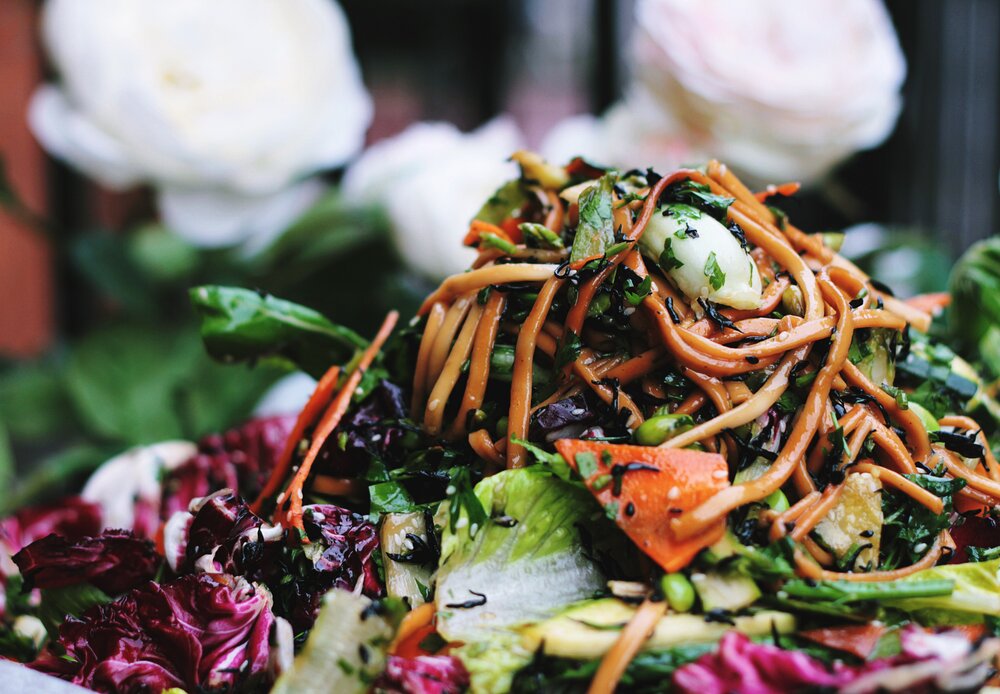
The benefits of a plant-based diet are backed by strong scientific research. Some of the benefits include:
- Not only preventing, but reversing, advanced-stage cardiovascular disease and type-2 diabetes;
- Sustainably managing your weight; and
- Linked to the treatment and prevention of hypertension, high cholesterol and lowered risk of certain cancers.
Amazing value in exchange for giving up meat in my opinion.
Here are some tips to help make the transition a smooth one (based on my own experience):
- Do your research before you start. The first week I embarked on my new plant-based diet, I ended up seriously craving protein, which ended up in a guinea fowl feast (I justified it as it was organic;). After that experience, I realized I needed to put some effort into making sure I stuck to my plan. Now I eat a lot of lentils and chickpeas for protein. I also occasionally have eggs as well for an additional protein boost. It helps to have a few recipes ready to turn to because you’re going to be changing a major aspect of your life: the way you nourish yourself. Don’t sabotage yourself by not being sufficiently prepared for the change.
- Start slow by cutting out meat and processed foods and perhaps sticking to just fish. For me, this was tough because I’m not actually a fan of fish. That being said, I realized quickly that my taste buds adjusted and now I really enjoy eating fish as a protein source.
- Stock up on healthy snacks. Nuts and freshly popped popcorn (from kernels) provide a healthy alternative to chocolates, biscuits and other unhealthy snacks and will also help you stay the course. I’ve heard that popcorn isn’t healthy for you, but I’ve allowed myself one guilty pleasure…
- Keep mealtimes fun and exciting. I would suggest that you really focus on foods that you like to eat and that are both easy to get and easy to prepare – otherwise, you’re probably going to struggle with either food preparation or motivation to continue with this new lifestyle choice. I had to do more research into what interesting meal options there were for vegetarians and plant-based diets, and I am currently in the process of tweaking some recipes with the objective of keep the transition fresh and delicious.
** This article was originally published on my old – now defunct – website.
 Orana Eats: Food | Wellbeing | Travel
Thank you! 🙏🏽☺️
LikeLike