
As cooking enthusiasts, our passion for food goes beyond just the taste. We want to know what we’re putting into our bodies and how it affects our overall health and wellness. That’s where holistic nutrition comes in.
Holistic nutrition is the practice of looking at food as a whole, taking into account the nutritional value, how it affects the body, and the emotional and spiritual aspects of eating. It’s about nourishing the body and mind with whole, natural foods that promote health and wellness.
One of the key principles of holistic nutrition is to eat a variety of whole, nutrient-dense foods. This means focusing on foods that are minimally processed and rich in vitamins, minerals, and antioxidants. Some examples include fresh fruits and vegetables, whole grains, nuts and seeds, and lean proteins.
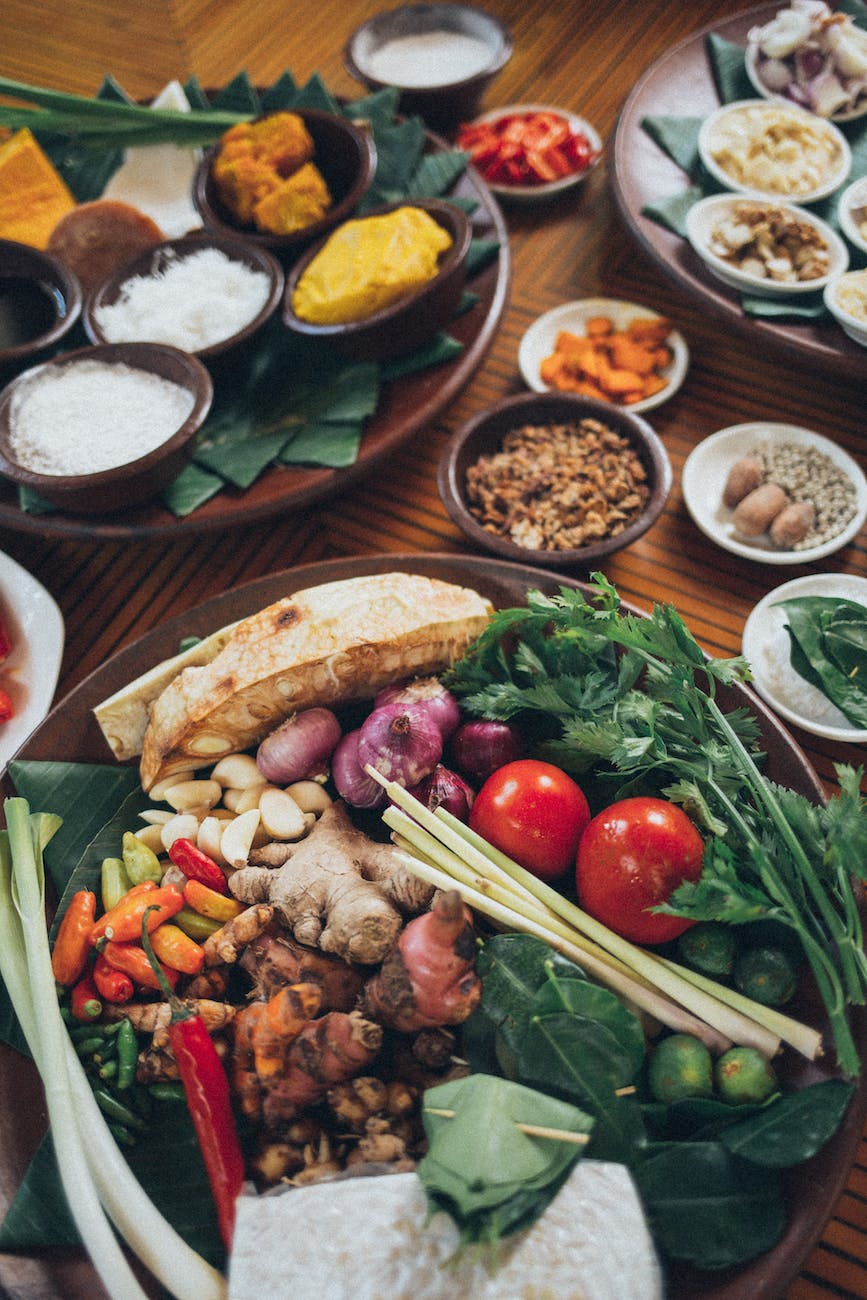
Another principle of holistic nutrition is to pay attention to the quality of the food we eat. This means choosing foods that are organic and free from harmful chemicals and pesticides. It also means avoiding processed and packaged foods that are high in sugar, salt, and unhealthy fats.
In addition to focusing on whole, natural foods, holistic nutrition also emphasizes the importance of mindful eating. This means paying attention to our body’s hunger and fullness cues, as well as the emotional and spiritual aspects of eating. It’s about enjoying our food and being present in the moment, rather than rushing through meals or eating out of boredom or stress.
Holistic nutrition is also about incorporating lifestyle factors that promote health and wellness. This includes staying active, getting enough sleep, managing stress, and cultivating positive relationships and social connections. All of these factors work together to support our overall well-being and vitality.
So how can we incorporate holistic nutrition into our daily lives? Here are a few tips to get started:
- Start by focusing on whole, natural foods. Aim to eat a variety of fruits and vegetables, whole grains, nuts and seeds, and lean proteins.
- Choose organic and locally sourced foods whenever possible. This will help ensure that your food is free from harmful chemicals and pesticides.
- Practice mindful eating by paying attention to your body’s hunger and fullness cues. Slow down and savor your food, and try to avoid distractions like phones or TV during meals.
- Incorporate lifestyle factors that promote health and wellness, such as staying active, getting enough sleep, managing stress, and cultivating positive relationships.
By incorporating these principles of holistic nutrition into our daily lives, we can nourish our bodies and minds with whole, natural foods and promote overall health and wellness. So why not give it a try and see how you feel? Your body (and taste buds) will thank you.
 Orana Eats: Food | Wellbeing | Travel